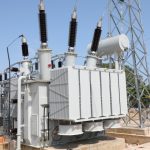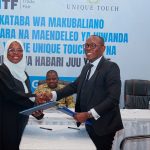
Electrical engineers conduct precision machine-reading in the substation, exemplifying the operational exellence and infrastructure integrity demanded by today’s investment grade power asset.
The Zanzibar Electricity Corporation (ZECO) is ushering into a new era of operational efficiency and financial stability, aimed at accelerating the islands’ economic development and sustainability.
Through structural reforms and improved management, ZECO has successfully cleared its burdensome TSH 291 billion debt that were lessen to just 5.85 billion following a thorough review.
Due to a significant electricity debt owed to Tanzania Electricity Supply Company Limited (TANESCO), ZECO faced serious cash flow challenges that crippled its operations.
Speaking in an exclusive interview with ZiBi Magazine, the ZECO General Manager, Mr. Haji Haji, explained that this financial burden greatly hindered the corporation’s ability to effectively carry out its responsibilities.
ZECO is ushering in a new era of operational efficiency and financial stability.
He said following directives from the President of Zanzibar, Dr Hussein Ali Mwinyi, and the debt was reevaluated by both parties.
“It was discovered that some charges within the agreement were not applicable to Zanzibar, such as Value Added Tax imposed by EWURA (Energy and Water Utility Regulatory Authority) and Rural Energy Agency (REA) levies, which are not implemented on the islands,” said Mr. Haji.
He added that, “This review led to the reduction of the debt to TSH 5.85 billion, which was paid in instalments and cleared before June 2025.”
Currently he said, ZECO no longer pays TANESCO based on tariffs set by EWURA. Instead, under a new Power Purchasing Agreement (PPA), the corporation pays a fixed cost per kilowatt hour, free from previously imposed surcharges.
Mr. Haji said the move has substantially reduced the cost of electricity imports and mitigated the risk of future debt accumulation.
Despite these gains, ZECO has remained committed to making electricity more accessible. President Dr. Mwinyi authorized a significant drop in connection fees. The single phase meter dropping from TSH 464,000 to TSH 200,000 and the three phase meter from TSH 800,000 to TSH 470,500.
“In Zanzibar, electricity is an essential service that enables people to run their business, enterprises, and generate income.” Many residents had been unable to afford connection costs. This reality inspired the fee reduction, which has meant ZECO collects less revenue than before, a decline of about 52 per cent.”
To respond, “ZECO is innovating”. They are “strengthening its revenue collection system, transitioning from postpaid to prepaid electricity billing.” Large scale consumers who previously paid after usage, are now being shifted to prepaid metres, allowing for more effective debt management, explains Mr. Hajj.
As results, ZECO Boss said, within just one year, the corporation has collected TSH 30 billion in outstanding payments from large scale consumers.
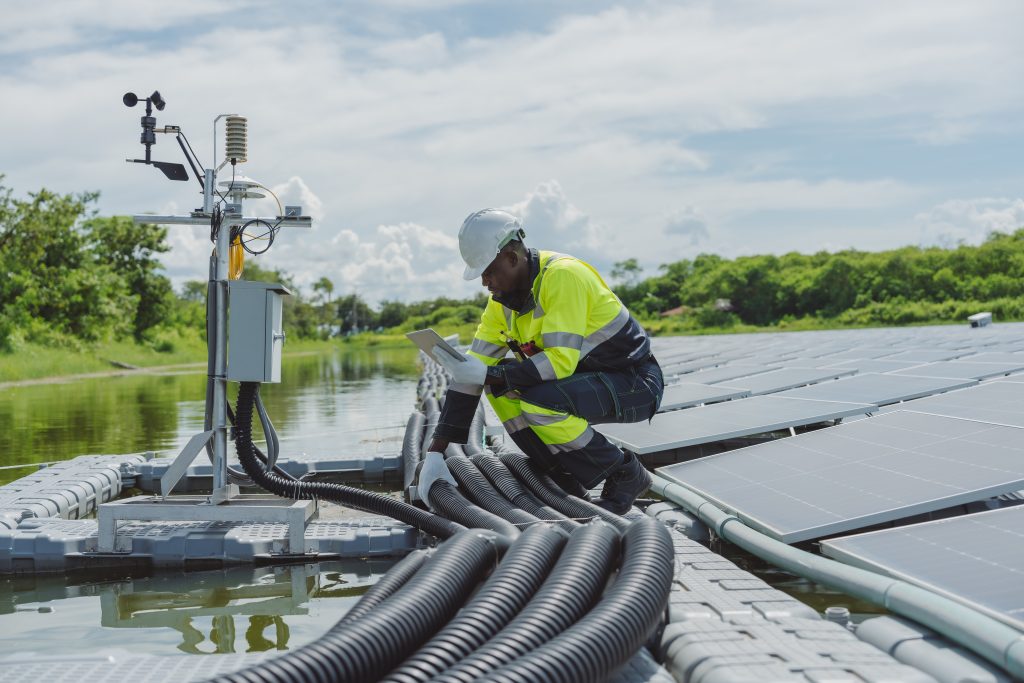
Electric engineers laying down high voltage transmission lines. These lines transmit high-power to different regions.
These financial improvements have allowed ZECO to begin upgrading its infrastructure. One key project involves replacing nearly 100,000 kilometers of power lines, increasing their capacity from 50mm to 150mm.
This upgrade is intended to ensure a stable and reliable electricity supply, particularly for local investors. Currently, six major feeders have been redirected to serve investment zones, enhancing the islands’ ability to accommodate industrial demand.
To ensure long-term energy security, ZECO is pursuing energy independence by investing in domestic electricity generation. The corporation has signed contracts for the generation of approximately 120 megawatts of electricity from renewable sources such as solar and wind energies.
To date, agreements have been finalized for 30 megawatts of solar power, an additional 15 megawatts from solar power also and 120 megawatts from wind power.
Mr. Haji said these projects aim to reduce dependence on undersea power cables from Tanzania mainland and offer alternative supply options in the course of any disruption.
“These initiatives ensure that Zanzibar has its own domestic energy sources, so that in the course of any challenges with the undersea power cable from Tanzania Mainland, we have an alternative,” said Mr. Haji.
He further said that, although the electricity generated is intended to serve approximately 1.8 million Zanzibari, if production exceeds demand and there is a surplus, it will be connected to the national grid through TANESCO, contributing to the East and Southern Africa power pool in accordance with agreements reached at the Energy Summit Mission 300.
ZECO’s ongoing reforms represent a positive turning point for Zanzibar’s energy sector. With debt repayments completed, new purchasing agreements in place, investments in renewables underway and a long-term strategic plan guiding the way, positioning Zanzibar as energy independent, and become active players in the regional electricity market contributor.

Mass Communication Specialist (Creative Content Design & Public Relations)
Email: khamismnubi@yahoo.com